
Top 30 App Monetisation Strategies for Sustainable Growth
Discover the top 30 app monetisation strategies to boost revenue and achieve sustainable growth. Learn practical ways to turn your app into a long-term profit engine.
The idea of additional revenue excites almost every entrepreneur. For mobile app businesses, monetisation is not simply about earning money. It is about building a product that grows sustainably over time.
The mobile app industry continues to expand rapidly worldwide. Even though most applications are free to download, the ecosystem still generates hundreds of billions in revenue each year.
According to Neil Kettleborough, the most successful apps do not rely on a single revenue source. Strong digital products combine multiple revenue streams supported by smart technology, user data insights, and evolving monetisation strategies.
This guide explores 30 practical app monetisation strategies and explains how businesses can implement them without damaging the user experience.
Why App Monetisation Matters
Many developers believe charging users to download an app is the only way to generate income. In reality, modern applications rely on several revenue models working together.
Successful apps usually earn revenue through the following approaches.
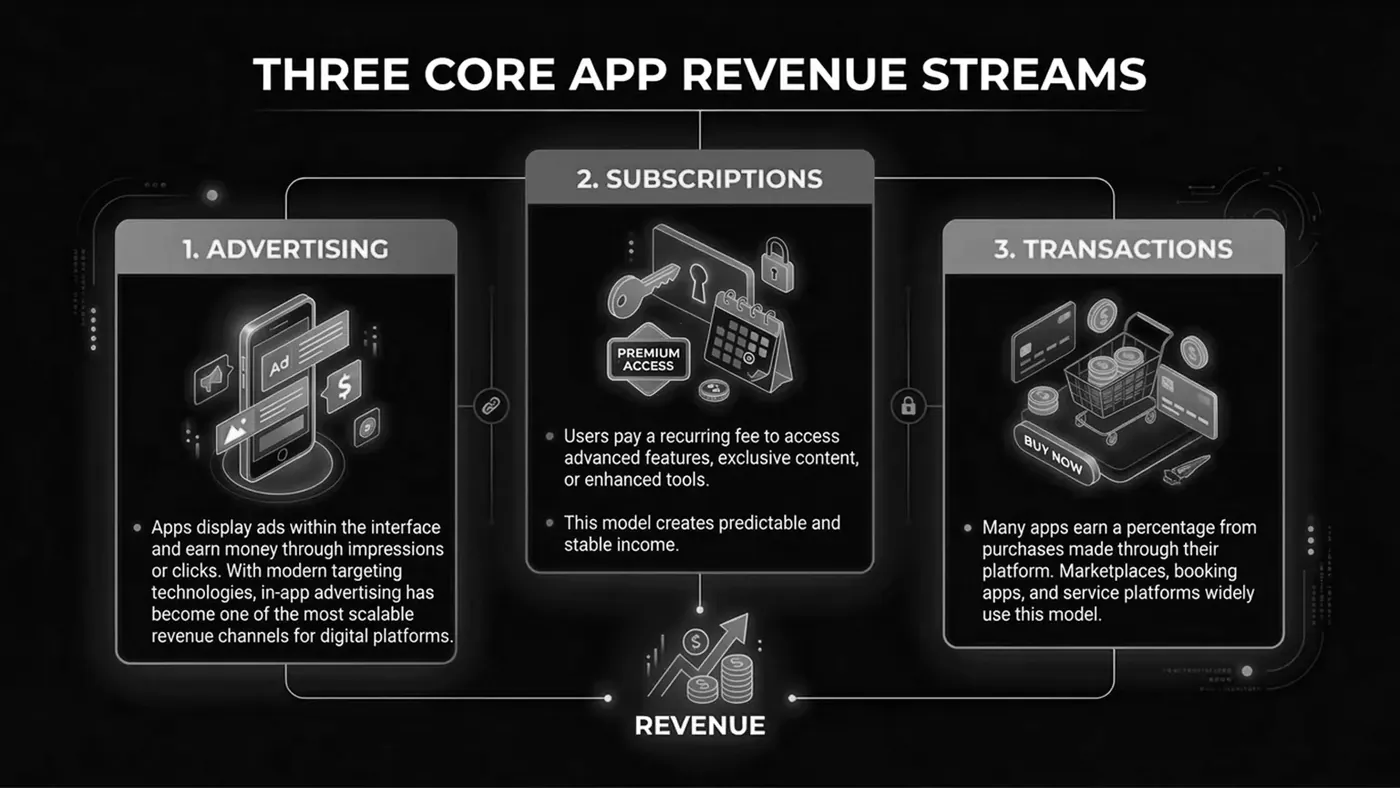
Advertising Revenue
Apps display ads within the interface and earn money through impressions or clicks. With modern targeting technologies, in-app advertising has become one of the most scalable revenue channels for digital platforms.
Subscription Models
Users pay a recurring fee to access advanced features, exclusive content, or enhanced tools. This model creates predictable and stable income.
Transactions and Commissions
Many apps earn a percentage from purchases made through their platform. Marketplaces, booking apps, and service platforms widely use this model.
As Neil Kettleborough often highlights, combining several monetisation models provides better long-term stability than relying on a single revenue stream.
What Should You Consider Before Choosing a Monetisation Strategy?
Selecting the right monetisation approach depends on your product stage and user expectations.
There are two common situations:
Launching a new mobile application
Monetising an existing free application
Each scenario requires a different approach.
If You Are Launching a New App
Launching a new product offers more flexibility because users have no existing expectations about pricing or features. Developers can design monetisation directly into the product experience.
1. Focus on Real User Value Users are more likely to pay when an app clearly improves their experience or solves a real problem. Premium features should provide meaningful benefits such as better functionality, exclusive access, or time-saving tools. When users see genuine value, upgrading or paying for additional features becomes a natural decision. Examples include:
Priority customer support faster help and direct assistance often justify paid plans.
Advanced analytics tools Professional users frequently pay for deeper performance insights.
Exclusive content access Unique content can motivate users to upgrade.
2. Understand Your Target Audience Understanding your audience helps you choose the right monetisation approach. Different users respond differently to ads, subscriptions, or premium features. When you know their needs, preferences, and behaviour, you can design a strategy that feels natural and valuable. For example:
Some users prefer free apps supported by advertising.
Others prefer paying subscriptions to avoid interruptions.
Building a clear Ideal Customer Profile (ICP) helps predict these preferences.
3. Analyse Competitor Pricing Reviewing competitor pricing helps you understand market expectations and user willingness to pay. However, pricing alone should not be your main advantage. Focus on delivering better features, stronger value, and a smoother user experience to stand out. Instead of competing only on price, focus on:
stronger product features
unique capabilities
improved user experience
These advantages are harder for competitors to copy.
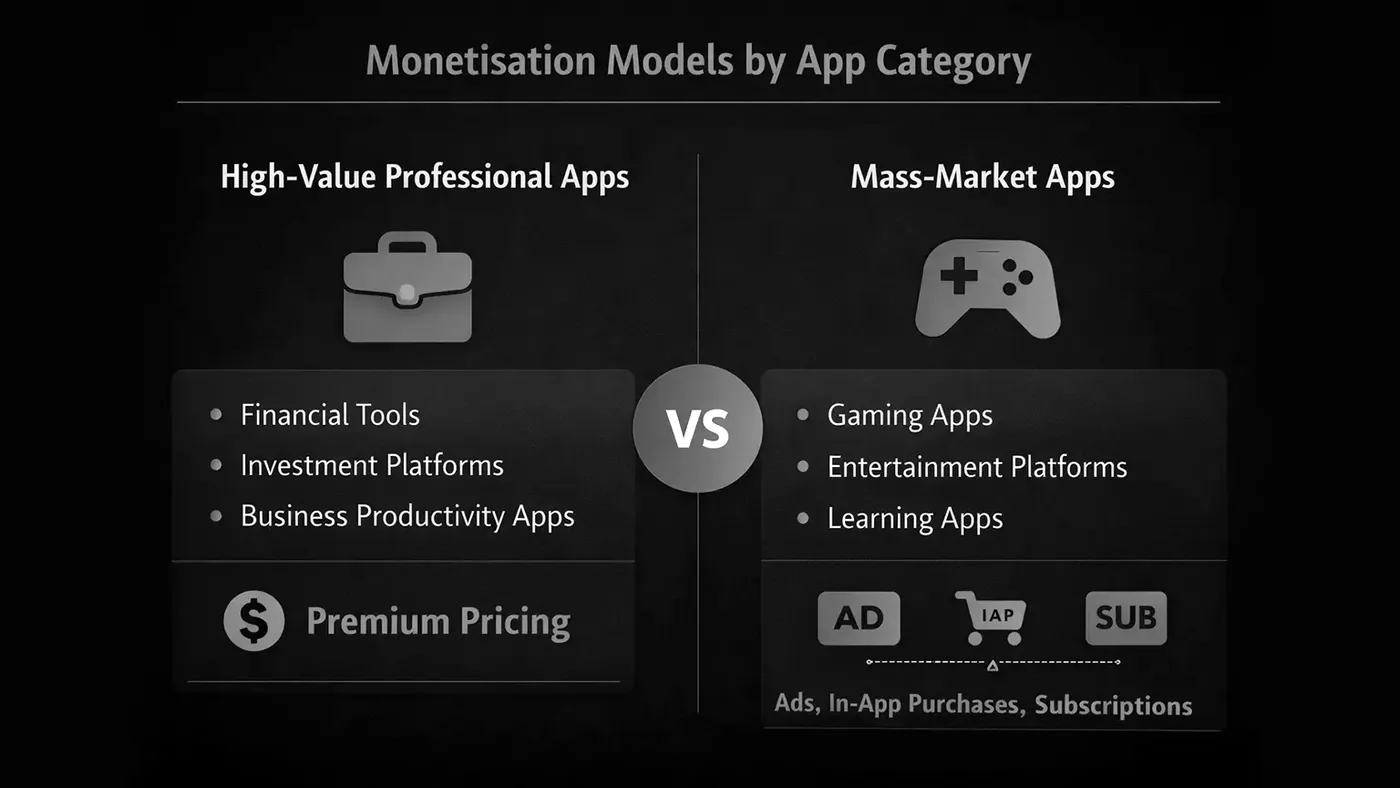
4. Consider the App Category Different app categories support different monetisation models. Professional or business apps can often charge higher prices due to specialised features and tools. In contrast, mass-market apps usually rely on larger audiences and multiple revenue streams.
High-value professional applications
Examples include:
financial tools
investment platforms
business productivity apps
Users expect advanced features and are often willing to pay higher prices.
Mass-market applications
Examples include:
gaming apps
entertainment platforms
learning apps
These apps usually depend on large audiences and multiple revenue streams.
If You Are Monetising an Existing Free App
Introducing monetisation into a free app requires careful planning because users already expect certain features.
1. Protect the User Experience
When adding monetisation, the user experience should always remain a priority. Sudden changes such as too many ads or restricted features can frustrate users. Introducing monetisation gradually helps maintain engagement and long-term trust. Examples include:
launching optional premium features
introducing advertising slowly
offering paid upgrades
This reduces the risk of user churn.
2. Protect Your Brand Reputation
Poor monetisation strategies can lead to negative reviews and lower ratings.
Users may share complaints online, which can slow new user acquisition. Clear communication helps maintain trust.
3. Add Features Instead of Removing Them
Removing existing functionality often frustrates loyal users. A better approach is to add value through:
premium upgrades
additional capabilities
loyalty rewards
This makes monetisation feel like improvement rather than restriction.
4. Balance Revenue with Trust
Generating revenue is important, but maintaining user trust is essential for long-term success. If monetisation feels aggressive or unfair, users may lose confidence in the app. A balanced approach ensures users continue to see value while the business grows sustainably.
According to Neil Kettleborough, sustainable digital businesses always prioritise trust alongside monetisation. Strong relationships increase user lifetime value and retention.
Top 30 App Monetisation Strategies
Below are 30 widely used monetisation approaches used across modern applications.
Paid Application Models
1. Download Fees
In this model, users pay a one-time fee before downloading the application. It works best for apps that solve a clear problem or provide specialised value that users cannot easily find elsewhere. Professional productivity tools, niche business software, and expert-focused applications often succeed with this approach.
In-App Advertising Models
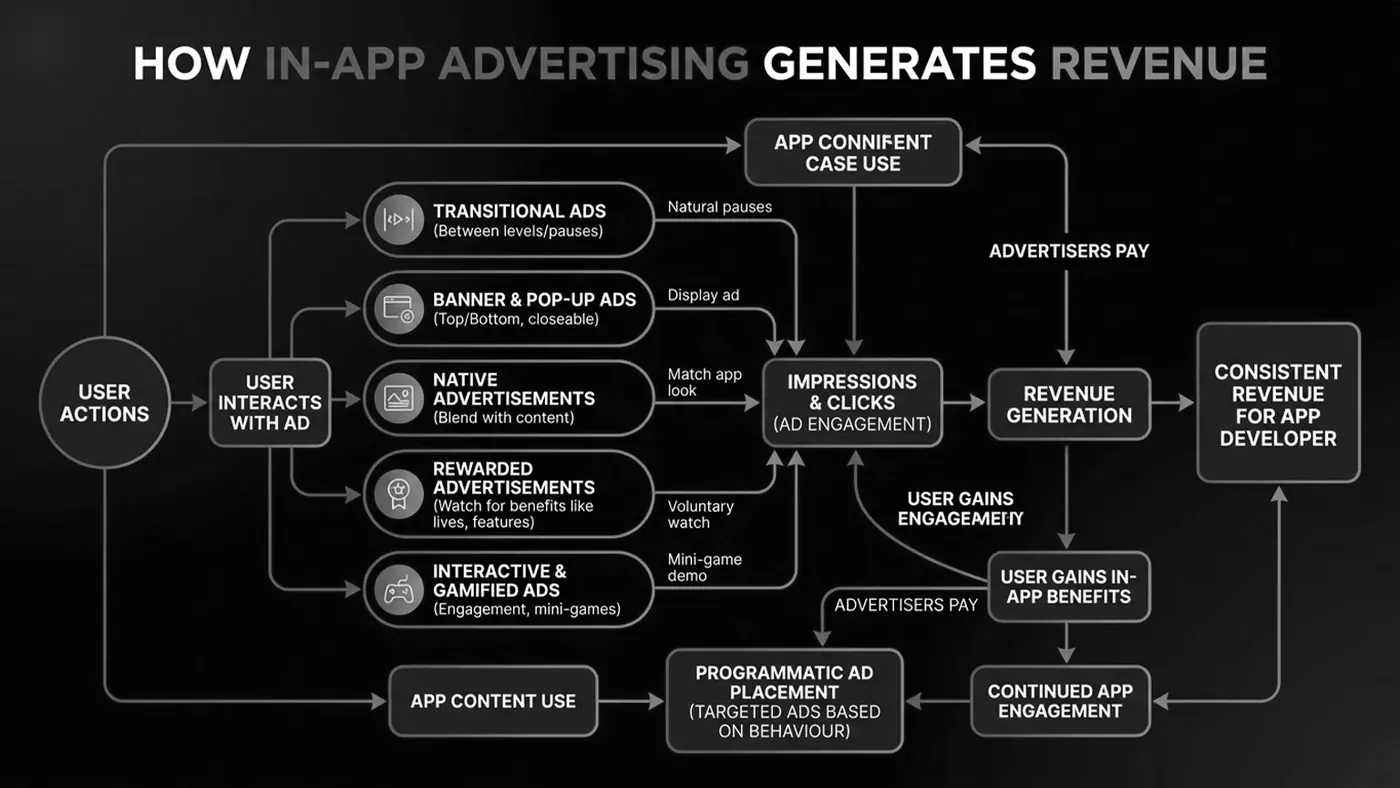
Advertising is one of the most widely used monetisation methods for mobile apps. With evolving programmatic advertising trends, brands can automatically place highly targeted ads inside apps based on user behaviour and preferences. This helps advertisers reach the right audience while allowing apps to generate consistent revenue.
2. Transitional Ads
Transitional ads appear during natural pauses in the user journey. These moments may occur between game levels, between video lessons, or during screen changes. Because they appear during breaks rather than active use, they are generally less disruptive and more acceptable to users.
3. Banner and Pop-Up Ads
Banner ads are small display advertisements placed within the app interface, usually at the top or bottom of the screen. Pop-up ads appear temporarily and require users to close them before continuing. While these ads can generate revenue, excessive use can negatively affect the user experience.
4. Native Advertisements
Native ads are designed to match the look and feel of the surrounding content within the app. They often appear as recommended products, sponsored posts, or partner promotions. Because they blend naturally into the interface, users usually find them less intrusive than traditional ads.
5. Rewarded Advertisements
Rewarded ads allow users to voluntarily watch advertisements in exchange for a benefit inside the app. These rewards may include extra gaming lives, bonus features, or temporary ad-free access. This model works well because users feel they are gaining value while the app earns advertising revenue.
6. Interactive or Gamified Ads
Interactive advertisements encourage users to engage directly with the advertisement itself. For example, users may try a mini-game, explore a product demo, or preview another application. Because these ads involve active participation, they often produce higher engagement and stronger conversion rates.
In-App Purchases and Microtransactions
Microtransactions allow users to enhance their experience without restricting the core functionality of the app. Instead of forcing users to pay upfront, the app offers optional upgrades, items, or features that improve the overall experience.
7. Consumable Purchases
Consumable purchases are digital items that users can buy repeatedly. These items are used once and then disappear, which means users may purchase them again in the future. Examples include gaming power-ups, virtual currency, and content credits.
8. Non-Consumable Purchases
Non-consumable purchases unlock permanent features within the application. Once the user buys the feature, it remains available indefinitely. Common examples include ad-free experiences, premium tools, or additional content sections.
9. Tiered Subscription Plans
Subscription models allow users to access basic features for free while paying for more advanced capabilities. This freemium structure is commonly used by streaming services, productivity apps, and collaboration platforms. Subscriptions provide predictable recurring revenue and encourage long-term user engagement.
10. Seasonal Promotions
Seasonal promotions encourage users to upgrade by offering limited-time discounts or benefits. These campaigns often take place during holidays, major shopping events, or special occasions. Limited availability creates urgency and can significantly increase short-term revenue.
Influencer and Brand-Driven Monetisation
Many modern apps collaborate with influencers, creators, and brands to generate additional revenue streams. These partnerships allow apps to introduce sponsored content, branded experiences, or exclusive campaigns that engage users while supporting monetisation.
11. Sponsored In-App Events
Sponsored events allow brands to promote products or campaigns within the app for a limited period. These events may include flash promotions, product launches, or branded challenges. The app benefits by receiving sponsorship revenue while users experience fresh content.
12. Premium Content for Members
Some apps offer exclusive content to users who subscribe or pay for membership access. This may include early access to videos, private communities, or special live sessions. Premium content creates a sense of exclusivity and encourages loyal users to upgrade.
13. Livestream Donations
Livestream platforms often allow users to support creators financially during live sessions. These donations may come in the form of digital gifts or direct contributions. The platform usually keeps a small percentage of each transaction.
14. Brand Partnerships
Brand partnerships allow apps to collaborate with companies on joint marketing initiatives. These partnerships may include cross-promotions, collaborative campaigns, or exclusive branded experiences. Both the app and the partner brand benefit from increased visibility and audience reach.
15. Merchandise Sales
Apps that work with creators or influencers often allow them to sell branded merchandise directly within the platform. Products may include clothing, accessories, or limited-edition items. Fans enjoy purchasing products connected to their favourite personalities.
E-Commerce App Monetisation
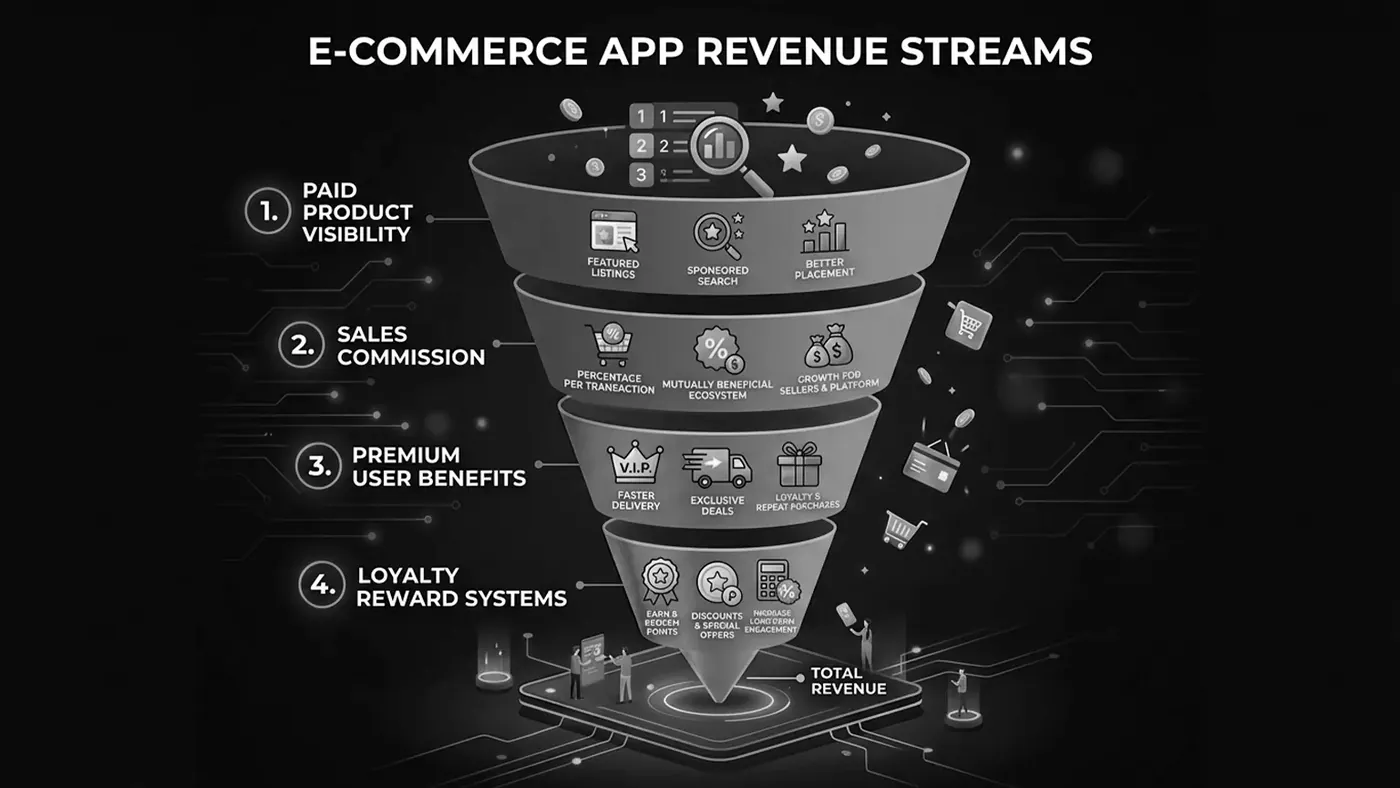
E-commerce apps naturally contain several revenue opportunities because transactions already occur within the platform. By using strong ecommerce marketing insights, businesses can design monetisation models that benefit both sellers and buyers.
16. Paid Product Visibility
Brands often pay for better placement within product listings or search results. Higher placement improves visibility and increases the chances of product discovery. This model works similarly to sponsor search advertising.
17. Sales Commission
Most e-commerce platforms earn a percentage from each completed transaction. The platform benefits as sellers generate more sales and attract more customers. This model creates a mutually beneficial ecosystem between sellers and the marketplace.
18. Premium User Benefits
Some platforms offer premium memberships that provide extra shopping benefits. These benefits may include faster delivery, exclusive deals, or early access to promotions. Premium memberships encourage loyalty and repeat purchases.
19. Loyalty Reward Systems
Loyalty programmes encourage customers to return regularly and continue purchasing through the platform. Users earn reward points for transactions that can later be redeemed for discounts or special offers. These programmes help increase long-term engagement.
Last-Mile Delivery Monetisation
Delivery platforms often rely on flexible pricing structures to manage logistics and demand. These pricing models help cover operational costs while ensuring drivers remain available during busy periods.
20. Distance-Based Delivery Fees
Delivery charges typically increase depending on how far the driver must travel. Longer distances require more time and fuel, so the fee reflects these additional costs. The platform usually shares this fee with the delivery partner.
21. Load-Based Charges
Larger or heavier items may require additional space or special transportation methods. Because these deliveries are more complex, the platform charges higher delivery fees. This helps compensate drivers for the extra effort required.
22. Handling Fees
Fragile or delicate items often require additional packaging and careful handling. Handling charges help cover these extra services and ensure products are delivered safely. This pricing model is common in grocery and logistics platforms.
23. Priority Delivery
Some users prefer faster delivery times and are willing to pay extra for the service. Priority delivery allows customers to receive orders sooner than standard delivery options. This feature is particularly popular during urgent purchases.
24. Surge Pricing
Surge pricing temporarily increases delivery fees during periods of high demand. This pricing strategy encourages more drivers to accept orders and ensures delivery availability. It also helps balance supply and demand within the platform.
Education App Monetisation
Education platforms often combine free learning resources with paid educational services. These models allow students to access basic materials while paying for advanced learning opportunities.
25. Paid Practice Tests
Students can purchase additional practice exams and preparation materials within the app. These resources help learners prepare more effectively for important tests. Paid practice tests also provide valuable performance feedback.
26. On-Demand Tutoring
On-demand tutoring allows students to connect with instructors for personalised learning sessions. These sessions may take place through video calls, messaging, or live lessons. Personalised guidance often improves student outcomes and engagement.
Healthcare App Monetisation
Healthcare apps provide convenient digital access to medical services. These platforms often combine healthcare consultations with service-based revenue models.
27. Online Doctor Consultations
Patients can book virtual appointments with healthcare professionals directly through the app. Online consultations improve accessibility and reduce the need for travel. The platform usually charges a consultation or service fee.
28. Home Test Sample Collection
Users can schedule home sample collection for diagnostic tests through the application. This service allows patients to avoid visiting medical facilities for routine tests. The platform charges a convenience fee for arranging the service.
Data-Driven Monetisation
Data insights can also support revenue generation when handled responsibly. Apps must always follow strict privacy regulations and protect user information.
29. Anonymised Data Insights
Aggregated and anonymised user data can help businesses understand market behaviour and trends. Companies may purchase these insights for research and strategic planning. However, protecting user privacy remains essential.
30. Targeted Advertising
Apps can use anonymised behavioural data to improve advertisement targeting. As explained by Neil Kettleborough, modern programmatic platforms enable advertisers to deliver relevant messages to the right audience at the right moment.
Many businesses also rely on guidance from a programmatic media buying consultant to optimise campaign performance and maximise advertising efficiency.
Tools Used to Measure Monetisation Performance
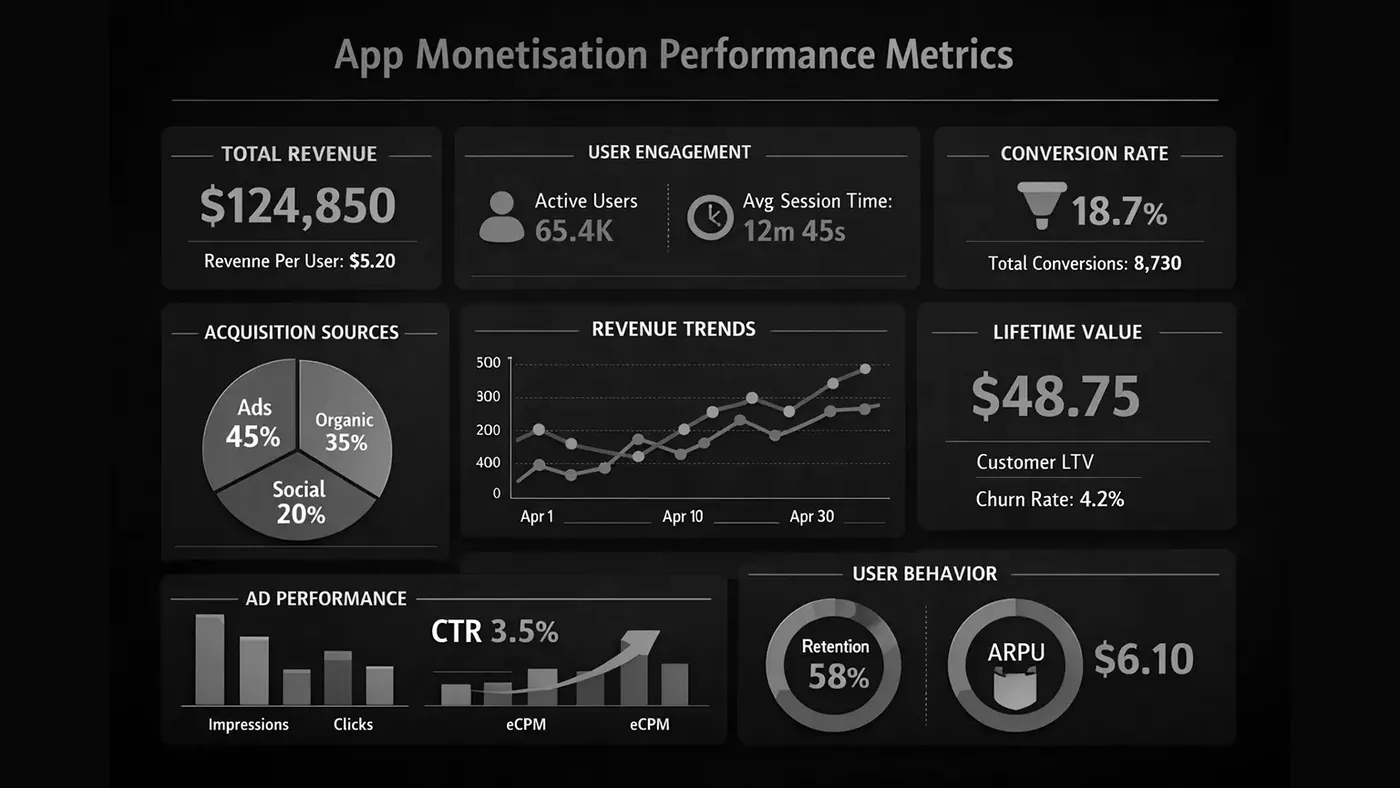
Successful monetisation strategies depend heavily on data analysis and performance tracking. Businesses must monitor how users interact with the app and how different monetisation models perform.
Common tools include mobile analytics platforms, attribution software, advertising optimisation systems, and user behaviour tracking tools. These technologies help measure important metrics such as revenue per user, engagement levels, conversion rates, and overall customer lifetime value.
Common Monetisation Mistakes to Avoid
Many app businesses struggle because of avoidable mistakes. Common issues include:
introducing too many ads too quickly
ignoring user experience
copying competitors without analysis
failing to monitor user behaviour data
A strategic and user-focused approach produces stronger long-term results.
What Is the Best Monetisation Strategy for Mobile Apps?
There is no single answer. The ideal strategy depends on:
your industry
your audience behaviour
the value your product provides
Many successful apps combine subscriptions, advertising, and microtransactions.
How Do Free Apps Generate Revenue?
Free apps generate revenue through methods such as advertising, in-app purchases, and subscription upgrades. These models allow users to access the core app for free while paying for additional benefits or features. This approach helps apps grow a large user base while still creating consistent revenue streams.
Common examples include:
advertisements
premium subscriptions
commission from sales
feature upgrades
A strong monetisation strategy keeps the core app free while still generating sustainable revenue.
How Can Apps Increase Revenue Without Hurting User Experience?
Apps can increase revenue by introducing monetisation gradually and ensuring it feels natural within the user journey. Offering optional premium features, subscriptions, or value-based upgrades helps users see clear benefits. When monetisation enhances the experience rather than interrupting it, users remain engaged and loyal.
Successful apps usually:
introduce monetisation gradually
provide clear value for paid features
avoid disruptive advertising
The primary goal should always be helping users, not simply ranking higher in search engines.
Conclusion
Mobile apps offer countless monetisation opportunities. From subscriptions and microtransactions to advanced advertising technologies, businesses can build multiple revenue streams. However, sustainable success depends on delivering genuine value to users.
As emphasised by Neil Kettleborough, effective app monetisation is not about aggressive revenue tactics. It is about building a digital ecosystem where users, advertisers, and businesses benefit together.
When executed strategically, these approaches can transform a simple application into a scalable and profitable digital platform.
Frequently Asked Questions
What is app monetisation?
App monetisation refers to the strategies used to generate revenue from a mobile application. These methods include advertising, subscriptions, in-app purchases, and transaction commissions.
Which monetisation model is most profitable?
The most profitable approach depends on the app category. Many successful apps combine subscriptions, microtransactions, and advertising to maximise revenue.
Are ads still effective for mobile apps?
Yes. With modern targeting technologies and automation, digital advertising inside apps continues to be one of the most effective revenue models.
How many monetisation strategies should an app use?
Most successful applications use two to four monetisation models to balance revenue generation and user experience.